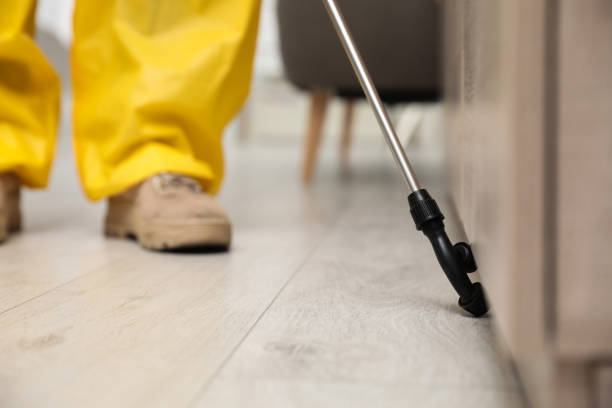
Effective pest control is essential for maintaining a healthy living environment, but safety must always remain a top priority. Whether you are managing pest issues on your own or working with professionals, understanding the health and safety considerations can help minimize risks to your family, pets, and the environment. Below are key factors to consider to ensure safe and effective pest control.
Proper Use of Pesticides
- Read the Label: Always follow instructions provided by manufacturers. Labels often detail appropriate usage methods, dosage, and safety precautions.
- Wear Protective Gear: Gloves, masks, goggles, and long-sleeved clothing should be worn to limit exposure.
- Store Chemicals Safely: Keep pesticides out of reach of children and pets in a secure location.
- Ventilate Your Space: During application indoors, ensure proper ventilation to reduce inhalation risk.
Non-Chemical Alternatives
- Consider natural repellents such as essential oils (e.g., peppermint for rodents or citronella for insects).
- Use mechanical barriers like screens or traps.
- Keep pests at bay through improved sanitation practices.
Pest Control Around Vulnerable Groups
- Children: Avoid applying treatments in areas frequented by children. Residues from chemicals can linger on floors and furniture.
- Pregnant Women: Exposure to certain chemicals can harm developing fetuses; consult professionals about safer treatment options.
- Pets: Some pest control products are toxic to animals. Remove pets from treated areas until it is safe.
Safe Disposal of Pesticides
| Pesticide Type | Disposal Method |
| Household Pesticides | Take unused chemicals to a local hazardous waste collection facility |
| Empty Containers | Rinse thoroughly (if instructed) before discarding according to local regulations |
| Spills | Clean spills immediately using absorbent materials such as sawdust or kitty litter |
Preventative Measures for Long-Term Safety
- Seal cracks or openings around doors, windows, pipes, and electrical outlets that could serve as entry points.
- Eliminate sources of standing water like clogged drains or leaky pipes that attract pests such as mosquitoes or cockroaches.
- Store food in airtight containers to deter ants, rodents, and other pests.
- Regularly inspect attics, basements, and crawl spaces for signs of infestation.
By prioritizing safety measures during pest control efforts—whether chemical-based or non-chemical—you protect not only yourself but also those around you while maintaining an effective approach against pests.
How a Pest Control Company Addresses Chemical Exposure Risks and Keeps You Safe
Pest control often involves the use of chemicals, commonly referred to as pesticides, which can be highly effective in managing infestations. However, these chemicals can pose significant risks to human health and safety if not applied correctly. Understanding these dangers and knowing how to minimize them is essential for safe pest control practices.
Understanding the Risks of Chemical Exposure in Pest Removal Services in Florida
- Inhalation: Breathing in pesticide fumes or airborne particles during or after application.
- Skin Contact: Touching contaminated surfaces or handling chemical products without protective gear.
- Ingestion: Consuming food or drinking water contaminated with pesticide residues.
- Eye Contact: Mistakingly rubbing eyes after handling chemicals.
Short-term exposure to some pesticides can cause symptoms such as headaches, nausea, dizziness, and skin irritation. Long-term exposure may lead to more severe health problems, including respiratory issues, organ damage, and even certain cancers.
Safe Practices with a Trusted Florida Pest Control Service
Personal Protective Measures
- Wear appropriate personal protective equipment (PPE), including gloves, goggles, masks/respirators, and long-sleeved clothing.
- Equip yourself with rubber boots when using liquid pesticides outdoors to avoid direct contact.
https://sites.google.com/view/pompanobeachpestcontrol/home
Product Selection
- Opt for low-toxicity or eco-friendly pesticides whenever possible.
- Read product labels carefully before use to understand the potential risks associated with each chemical.
Application Precautions
- Avoid applying pesticides on windy days to reduce drift onto unintended areas.
- Ensure proper ventilation when applying indoors by opening windows or using fans.
Storage and Disposal
- Store chemicals away from children and pets in a locked cupboard or shed designated specifically for hazardous materials.
- Never dispose of leftover pesticides down the drain; instead, contact your local waste disposal facility for proper guidelines on hazardous waste disposal.
| Do’s | Don’ts |
| Follow manufacturer instructions. | Mix chemicals arbitrarily. |
| Use calibrated equipment. | Apply greater quantities than necessary. |
| Keep children/pets away from treated areas. | Re-enter treated spaces too soon. |
Effective Pest Removal Alternatives to Chemical Solutions
- Use mechanical traps: Mouse traps ratting options rather spraying marginal choices
Understanding Disease Transmission Risks Associated with Pests and How to Prevent Them
Pests are more than just a nuisance; they pose significant health risks by transmitting diseases to humans and animals. Understanding these risks is essential for protecting yourself, your family, and your community. This section delves into common diseases spread by pests and outlines preventive measures to minimize these threats effectively.
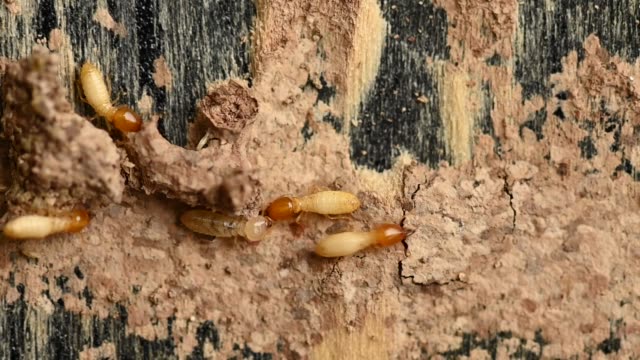
Common Diseases Transmitted by Pests
| Pest | Disease(s) | Transmission Method |
| Rodents (e.g., rats, mice) | Hantavirus, Leptospirosis, Salmonella | Contaminated food, water, or droppings |
| Mosquitoes | Malaria, Dengue Fever, West Nile Virus | Bites |
| Ticks | Lyme Disease, Rocky Mountain Spotted Fever | Bites |
| Cockroaches | Salmonella, E. coli | Food contamination |
| Fleas | Plague (Yersinia pestis), Typhus | Bites or contact with infected animals |
These diseases can have severe health consequences ranging from mild symptoms to life-threatening conditions if not addressed promptly.
How Pests Spread Diseases
- Direct Contact: Some pests bite humans or animals directly, injecting bacteria or viruses into the bloodstream.
- Contamination: Droppings, urine, saliva, or dead pests can contaminate food and surfaces.
- Vectors: Many pests act as intermediaries by carrying pathogens from one host to another.
- Airborne Particles: In some cases, pathogens originating from pest droppings become airborne and cause respiratory issues when inhaled.
Steps to Prevent Disease Transmission from Pests
- Regularly clean floors and countertops to prevent crumbs and spills that attract pests.
- Dispose of garbage promptly in sealed containers.
- Store food in airtight containers to reduce access for rodents or insects.
- Seal cracks in walls, windowsills, doors, and foundations.
- Use weather stripping around windows and doors.
- Repair torn window screens.
- Fix leaky pipes or faucets that create moisture-rich environments ideal for pest breeding.
- Ensure proper ventilation in basements and attics.
- Regularly inspect your property for signs of infestation such as droppings or nesting materials.
- Engage pest control professionals if evidence of infestation is found.
- Use veterinarian-recommended flea and tick treatments on all household pets.
- Avoid allowing pets into areas where pests might reside (e.g., garages or sheds).
When Professional Help Is Necessary
While DIY methods are often effective for minor pest issues, larger infestations may require professional intervention. Certified pest control experts have access to advanced tools and techniques that ensure thorough removal while minimizing risks of disease exposure during treatment.
By staying vigilant about these measures and understanding the pathways through which pests can transmit diseases, you can significantly reduce their impact on your home’s health environment.
Environmental Protection Through Responsible Pest Control Practices
Effective pest control is essential for maintaining a clean and healthy environment; however, it is equally important to ensure that these practices do not harm the ecosystem. By adopting responsible pest control methods, individuals and businesses can mitigate negative environmental impacts while addressing pest issues efficiently. Below are actionable steps and strategies to promote environmentally conscious pest control.
The Impact of Traditional Pest Control on the Environment
- Water Contamination: Pesticides can seep into the ground and contaminate groundwater, lakes, and rivers.
- Harm to Non-Target Species: Chemicals may inadvertently kill beneficial insects like bees or other wildlife critical for ecosystems.
- Soil Degradation: Overuse of chemical pesticides can lead to reduced soil fertility by disrupting beneficial microorganisms.
- Air Pollution: The use of aerosol-based pesticides releases harmful substances into the atmosphere.
Strategies for Responsible Pest Control Practices
- Use Biodegradable or Organic Pesticides
Opt for products made from natural ingredients that decompose quickly without leaving harmful residues in the environment. - Adopt Targeted Applications
Apply pesticides only in specific areas where pests are active rather than widespread spraying. This approach limits unnecessary exposure to non-target organisms. - Implement Physical Barriers
Use traps, screens, or sealants as a first line of defense against pests instead of immediately resorting to chemicals. - Promote Natural Predators
Encourage biodiversity by allowing natural predators like birds, spiders, or ladybugs to help manage pest populations. - Proper Disposal of Chemicals
Avoid disposing of leftover chemicals improperly. Instead, follow community guidelines for hazardous waste disposal.
| Practice | Environmental Benefit |
| Biodegradable Pesticides | Reduces toxic buildup in ecosystems |
| Targeted Applications | Minimizes impact on non-target species |
| Physical Barriers | Limits pesticide use while effectively blocking pests |
| Encouraging Natural Predators | Supports biodiversity and reduces reliance on toxins |
Benefits of Responsible Pest Control
- Minimizes risks of waterborne pesticide contamination.
- Promotes healthier habitats for wildlife.
- Reduces potential health hazards associated with exposure to toxic substances.
- Helps maintain ecological balance by preserving beneficial insect populations.
Collaborating with Professionals for Sustainable Solutions
Despite best efforts at DIY sustainable practices, working with a professional pest control company specializing in Integrated Pest Management (IPM) can provide added assurance. These professionals are trained in combining biological controls, habitat modification, and targeted interventions tailored specifically for minimizing environmental footprints.
By prioritizing responsible choices over short-term fixes, you contribute to a healthier planet while effectively managing unwanted pests. Sustainable solutions not only address current issues but also safeguard resources for future generations—a responsibility we all share.
Florida Pest Control: A Sustainable Solution with the Integrated Pest Management (IPM) Approach
The Integrated Pest Management (IPM) approach is a widely recognized and sustainable method for managing pest populations. By focusing on long-term prevention and utilizing environmentally responsible practices, IPM minimizes risks to human health, beneficial organisms, and the environment. Below, we’ll explore the key principles, strategies, and benefits of IPM.
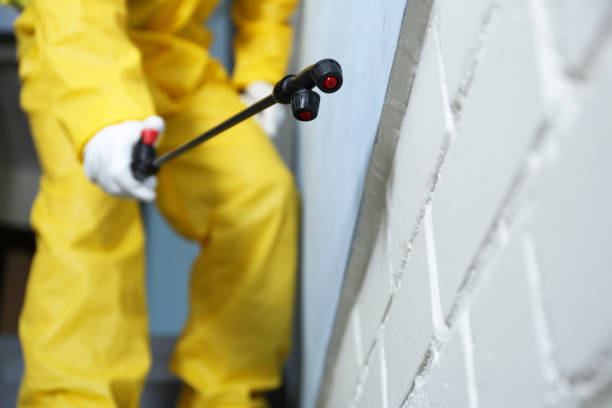
Key Principles of IPM
- Prevention: Preventing pest problems before they occur is the first line of defense. This includes practices such as proper sanitation, structural maintenance, and habitat modification.
- Monitoring and Identification: Regular inspection and accurate identification of pests help ensure that control measures are targeted toward the right species without affecting non-target organisms.
- Threshold Levels: IPM emphasizes determining a threshold level at which pests become an economic or health issue. Control actions are taken only when this level is exceeded.
- Control Methods: A combination of biological, cultural, mechanical/physical, and chemical controls are implemented as needed in a hierarchy of least to most invasive actions.
Strategies Used in IPM
- Cultural Controls: Altering the environment to make it less favorable for pests. Examples include improving drainage systems to reduce standing water or rotating crops in agricultural settings to prevent pest buildup.
- Biological Controls: Utilizing natural predators or beneficial organisms like ladybugs or nematodes that target specific pests without harming plants or humans.
- Mechanical Controls: Using traps, barriers, or other physical methods such as sealing cracks and crevices to block pest entry points.
- Chemical Controls: When necessary, pesticides may be used but only after other methods have been exhausted and with strict adherence to safety protocols.
Benefits of Adopting an IPM Approach
| Benefit | Description |
| Environmental Protection | Reduces pesticide use, minimizing their impact on soil, water sources, and non-target species such as pollinators like bees. |
| Cost Effectiveness | Preventative measures can save money by avoiding repeated treatments over time. |
| Health Safeguards | Lowers risks associated with exposure to toxic chemicals for humans and pets. |
| Long-Term Solutions | Focuses on addressing root causes rather than temporary fixes. |
The Importance of Professional Expertise in IPM
Although homeowners can adopt basic elements of IPM independently—such as sealing entry points or maintaining cleanliness—working with certified pest management professionals ensures accurate identification of pests and tailored strategies for long-term success.
By promoting sustainability through minimal environmental impact while maintaining effectiveness against unwanted pests, Integrated Pest Management provides homeowners with peace of mind knowing their living spaces remain safe without compromising ecological balance.
The Integrated Pest Management (IPM) Approach: A Sustainable Solution for Effective Pest Control
The Integrated Pest Management (IPM) approach is a comprehensive and environmentally responsible strategy for managing pests. Unlike traditional pest control methods that often rely heavily on chemical pesticides, IPM focuses on long-term prevention and sustainable solutions. By combining biological, cultural, physical, and chemical tools in a coordinated way, this method ensures minimal risks to human health, non-target organisms, and the environment. Below is an overview of the key components of the IPM approach.
Key Principles of IPM
- Regular monitoring helps identify pest species and determines population levels.
- Proper identification ensures that only harmful pests are targeted, avoiding unnecessary treatment.
- Sealing entry points in buildings.
- Maintaining cleanliness to eliminate food sources.
- Managing moisture levels to deter pests like termites or cockroaches.
- Establishing tolerance levels for pest presence determines when intervention is necessary.
- Low-impact pests that don’t pose significant harm may not require immediate action.
- Control Strategies
When prevention isn’t sufficient, control methods are implemented in the following hierarchy:
| Control Type | Description | Examples |
| Biological | Use of natural predators or parasites to reduce pest populations. | Introducing ladybugs to control aphids. |
| Cultural | Modifying environmental conditions to discourage pests. | Crop rotation or proper waste management. |
| Mechanical/Physical | Using barriers or traps to physically remove or block pests. | Installing screens or sticky traps. |
| Chemical | Targeted use of pesticides only as a last resort. | Applying insecticides specifically to affected areas. |
Benefits of Adopting IPM
- Reduces Environmental Impact: By minimizing pesticide use, IPM lessens contamination risks for soil, water systems, and non-target species like bees.
- Promotes Long-Term Solutions: Addressing root causes rather than symptoms reduces the likelihood of recurring infestations.
- Improves Human Health: Limiting chemical exposure protects individuals from harmful side effects often associated with traditional pesticides.
- Cost-Efficiency: Preventive measures save money over time by reducing the need for extensive treatments.
Steps for Implementing IPM at Home
- Conduct regular inspections around your property to detect early signs of infestations.
- Ensure proper sanitation practices by storing food securely and disposing of waste promptly.
- Use caulking or weather stripping to block entry points such as cracks or gaps.
- Consider consulting with an IPM-certified pest control professional for an expert evaluation.
By adopting the principles of Integrated Pest Management, homeowners can achieve effective pest control while prioritizing sustainability and safety—a critical step toward protecting both our health and the environment from unnecessary harm caused by outdated methods.
- Exterminators in Florida Share Effective Pest Control Tips for a Safer and Healthier Home Environment
- Effective Ways Exterminators in Florida Prevent Pest Infestations
- Comprehensive Insights on Florida Pest Control and Its Impact on Health and Safety
- Ensuring Health and Safety with Professional Exterminators in Florida
- Six Essential Florida Pest Control Skills to Keep Your Home and Business Pest-Free
- Safe and Effective Florida Pest Control Practices for Families With Children
- Why Hiring Exterminators in Florida is Essential to Prevent Hidden Dangers of Pest Problems