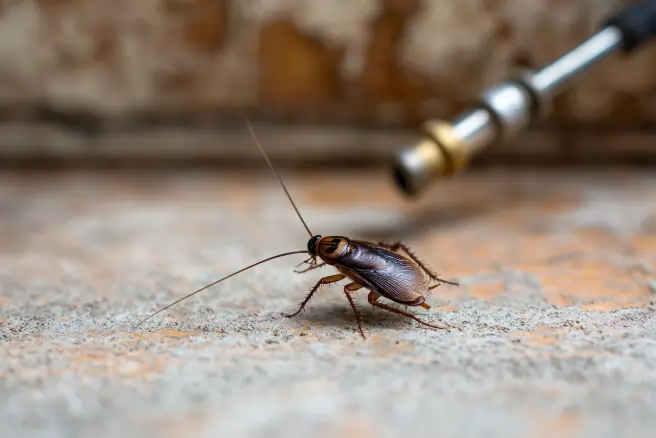
Pests can pose serious threats to the safety, health, and comfort of your home environment. From spreading diseases to damaging property, these unwanted invaders require proactive attention to ensure a clean and secure living space. Below are effective pest control tips to help you maintain a pest-free, healthier home.
Seal Entry Points
Pests often enter homes through small cracks, gaps, and openings. Identifying and sealing these entry points is critical to keeping pests out:
– Inspect windows and doors for gaps; use weather stripping or caulking to seal them.
– Repair damaged screens on windows, doors, or vents.
– Seal gaps around utility pipes and cables entering the house with silicone-based caulk or foam sealant.
– Install door sweeps under exterior doors to block crawling pests.
Maintain Cleanliness
A clean home is less attractive to pests as it eliminates potential food sources and breeding grounds:
– Store food in airtight containers and avoid leaving leftovers uncovered overnight.
– Clean kitchen surfaces daily, especially areas where crumbs might accumulate such as countertops or stovetops.
– Regularly vacuum carpets, rugs, and furniture where pests like fleas or mites could reside.
– Take out the trash frequently; ensure all garbage bins have tightly fitting lids.
Proper Waste Management
Poor waste disposal habits can attract pests like rodents, cockroaches, and ants:
1. Use sealed trash bins both indoors and outdoors.
2. Compost responsibly by avoiding meat scraps that may attract pests like rats or flies.
3. Keep outdoor garbage areas clean from spills or debris that may lure pests closer to your home.
Address Moisture Issues
Many pests are drawn to damp environments for survival, especially termites, mosquitoes, and cockroaches:
– Fix leaky faucets and pipes promptly throughout the house. – Ensure proper drainage in basements and outdoor areas around your property. – Use dehumidifiers in spaces prone to high humidity levels such as basements or laundry rooms. – Clear gutters of debris regularly so water does not pool next to the foundation.
Keep Landscaping Well-Maintained
Outdoor maintenance is as important as indoor care when preventing pest infestations:
| Landscaping Task | Purpose |
|————————-|———————————————–|
| Trim overhanging trees | Prevents easy access for rodents/insects |
| Clear mulch buildup | Reduces hiding spots for ants/termites |
| Remove standing water | Discourages mosquito breeding |
Act Quickly Against Infestations
If you notice signs of infestation despite taking preventative measures (e.g., droppings or damaged wood), act promptly rather than waiting until the problem worsens:
1. Identify the specific pest causing the issue; this helps determine an appropriate solution. 2. Consider professional pest control services if DIY methods fail after repeated attempts. 3. Monitor treated areas regularly post-intervention so any recurring activity doesn’t escalate further.
By incorporating these practices into your household routine consistently year-round—not just during peak pest seasons—you create an effective defense system against harmful intruders while fostering healthier indoor living conditions for everyone in your household.
Essential Tips Every Homeowner Should Know from a Pest Control Company
Taking proactive measures to prevent pest infestations is key to maintaining a clean, safe, and comfortable home. By addressing vulnerabilities before pests gain access and adopting preventive habits, homeowners can reduce the risk of infestations. Below are some essential strategies every homeowner should consider for comprehensive pest control.
Effective Pest Removal Services in Florida: Seal Entry Points
Pests often find their way into homes through small cracks, gaps, or openings. Inspect your home thoroughly and address potential entry points: – Caulk cracks in walls and foundations. – Install weather stripping on doors and windows. – Use fine mesh screens on vents, chimneys, and other openings. – Repair torn window screens promptly.
Eliminate Food Sources with Florida Pest Control Service
Pests are drawn to readily available food supplies. To deter them: – Store food in airtight containers. – Clean up crumbs and spills immediately. – Keep pet food sealed when not in use. – Empty garbage bins regularly and use bins with tight-fitting lids.
Effective Pest Removal: Address Standing Water
Many pests, such as mosquitoes and cockroaches, thrive in damp environments. Reduce moisture around your home by: – Fixing leaky pipes and faucets promptly. – Cleaning out clogged gutters to prevent water pooling. – Using a dehumidifier in damp areas like basements or crawl spaces.
| Potential Water Source | Solution |
| Leaky faucets | Repair leaks immediately |
| Clogged gutters | Clean regularly |
| Standing water in garden pots | Empty frequently |
1. Maintain Your Yard
Outdoor spaces can serve as breeding grounds for pests that may eventually migrate indoors. Implement these steps to keep your yard pest-free: – Trim shrubs and branches that touch the house exterior. – Remove leaf piles, woodpiles, or other debris near the foundation. – Mow the lawn regularly to deter insects from nesting.
2. Conduct Routine Inspections
Regularly inspecting your home helps you catch early signs of pest activity before they escalate: – Look for droppings behind furniture or appliances. – Check for chew marks on wires or furniture caused by rodents. – Identify unusual odors that might indicate an infestation.
3. Educate Household Members
Everyone in your household plays a role in pest prevention: – Teach children not to leave food out overnight. – Encourage family members to notify you if they spot signs of pests.
Proactive measures help protect not only against visible pests but also those that may remain hidden until they become a problem. By staying vigilant and taking these steps consistently, homeowners can maintain a healthy living environment while minimizing their reliance on reactive solutions such as chemical treatments or professional exterminators.
Natural Pest Control Solutions to Keep Your Home Free from Harmful Chemicals
When it comes to safeguarding your home against pests, many homeowners prefer natural pest control methods over chemical treatments due to their safety and environmental benefits. These solutions are not only effective but also reduce the risk of exposing your family and pets to harmful substances. Below are some practical natural pest control strategies that can help keep your home pest-free.
Benefits of Using Natural Pest Control Solutions
- Eco-friendly: Minimizes impact on the environment compared to chemical alternatives.
- Safer for humans and pets: Non-toxic methods reduce health risks caused by exposure to chemicals.
- Cost-effective: Many natural remedies utilize items commonly found in households, lowering costs.
- Long-term results: Encourages sustainable practices that address the root causes of infestations.
Natural Remedies for Common Household Pests
| Pest | Natural Solution | Application Tips |
| Ants | White vinegar or lemon juice | Spray along entry points, windowsills, and countertops. |
| Mosquitoes | Essential oils (e.g., citronella) | Use oil diffusers or apply diluted mixtures on your skin. |
| Cockroaches | Baking soda and sugar mixture | Place small amounts in areas where cockroaches are spotted. |
| Spiders | Peppermint essential oil | Spray peppermint oil mixed with water in corners or cracks. |
| Mice | Peppermint leaves | Place fresh leaves near entry points and suspected nests. |
Key Practices for Natural Pest Prevention
- Regularly vacuum floors, carpets, and furniture to eliminate food crumbs that attract pests.
- Wipe down kitchen surfaces with natural cleaners such as a mixture of vinegar and water.
- Dispose of garbage properly and ensure trash bins have secure lids.
- Inspect windows, doors, and walls for cracks or gaps where pests might enter.
- Use caulking or weatherstripping as a non-toxic way to block access.
- Mosquitoes breed in stagnant water; empty containers like flower pots or gutters after rain.
- Fix leaky pipes promptly to avoid creating damp environments vulnerable to pests.
- Grow pest-repellent plants such as lavender, basil, or marigold around your home.
- Scatter diatomaceous earth around the foundation of your house as a safe insect repellent.
DIY Recipes for Effective Pest Control
- Homemade Ant Deterrent Spray: Mix equal parts white vinegar and water with a few drops of tea tree oil; spray directly onto affected areas.
- Fruit Fly Trap: Combine apple cider vinegar with a few drops of dish soap in an open container; flies will be drawn in but unable to escape.
- Natural Moth Repellent Bags: Fill small fabric pouches with dried lavender or cedar chips and place them inside closets.
Natural pest control is an excellent way to protect your home while prioritizing health and sustainability. By integrating these methods into your daily routine alongside preventive measures, you can effectively minimize infestations without relying on harmful chemicals.
Chemical Pest Control Solutions and Their Role in Eliminating Stubborn Pests
Chemical pest control solutions play a significant role in managing infestations, especially when dealing with stubborn pests that are resistant to other methods. While natural alternatives can be effective, certain situations require the use of chemical treatments to prevent damage, reduce health risks, or eliminate severe infestations. Here’s an overview of their application, benefits, and safety considerations.
When to Use Chemical Pest Control
- Severe Infestations: When pests like termites or cockroaches have deeply infested your home, chemical treatments may be necessary for immediate and thorough eradication.
- Pest Resistance: In cases where pests have developed resistance to natural or traditional methods.
- Time Sensitivity: Chemical solutions can work faster compared to some non-chemical approaches, making them ideal for urgent situations.
Types of Chemical Pest Control Solutions
| Type of Solution | Application | Common Targets |
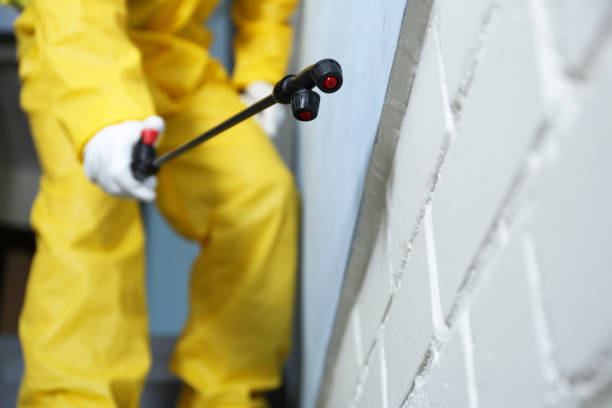
| Insecticides | Sprays, powders, or baits designed to kill insects directly | Ants, cockroaches, bed bugs |
| Rodenticides | Toxic baits or traps designed specifically for rodents | Rats, mice |
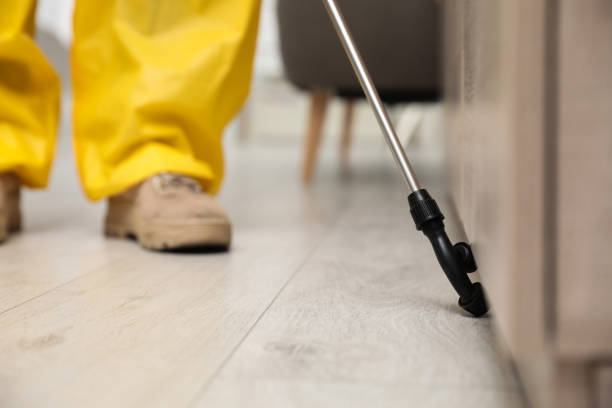
| Termiticides | Specialized chemicals used to protect structures against termite damage | Termites |
| Fungicides | Chemicals used to eliminate mold and fungal growth caused by moisture | Mold spores |
Benefits of Chemical Pest Control
- High Effectiveness: Chemicals are designed for targeted action against specific pests.
- Rapid Results: Many chemical treatments work almost immediately after application.
- Long-Term Protection: Certain formulations provide residual effects that keep pests away for weeks or months.
Safety Considerations
- Read Labels Carefully: Follow instructions provided by the manufacturer regarding safe usage and dosages.
- Limit Exposure: Ensure children and pets are kept away from treated areas until it is safe to enter.
- Hire Professionals: If unsure about proper application methods or dealing with highly toxic substances like fumigants.
Best Practices for Using Chemical Solutions
- Identify the type of pest accurately before choosing a product.
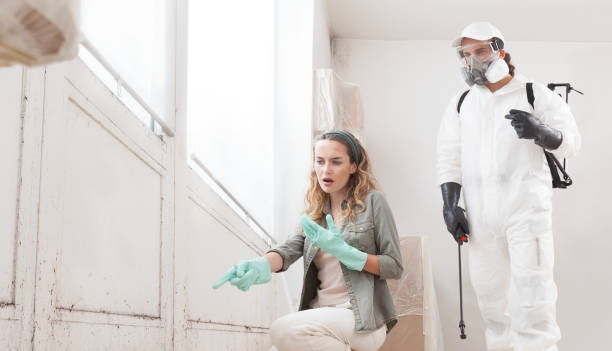
- Use protective gear such as gloves and masks during application.
- Monitor treated areas regularly for effectiveness and reapply only if necessary.
While chemical solutions are an essential tool in modern pest control strategies, they should always complement other preventive measures like maintaining cleanliness and sealing entry points. A balanced approach ensures both efficiency in resolving issues and safety for inhabitants.
Effective Florida Pest Control: Strategies to Protect Your Home from Common Household Pests
Household pests can disrupt your daily life, cause damage to property, and even pose health risks if left unchecked. To maintain a pest-free home and protect your loved ones, it’s essential to adopt practical strategies that deter infestations and address problems promptly. Below are essential steps you can take to safeguard your home from common household pests.
Common Household Pests to Watch For
Understanding the types of pests that commonly invade homes is the first step in protecting your space. Some of the most frequent intruders include:
– Rodents (e.g., mice and rats): Known for contaminating food supplies and chewing through wires or walls.
– Cockroaches: Carriers of allergens and bacteria that can lead to respiratory issues or foodborne illnesses.
– Ants: Often attracted by sugary foods, they can quickly build colonies inside homes.
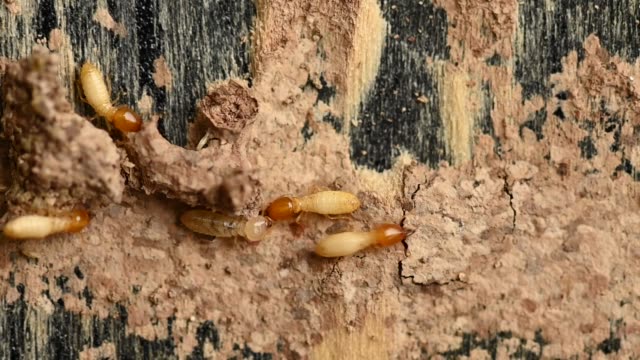
– Termites: Silent destroyers that feed on wood, causing structural damage over time.
– Spiders: While many are harmless, certain species like black widows or brown recluses are venomous.
Steps for Pest Prevention
- Inspect your home for cracks, gaps around windows or doors, and holes in walls where pests could access the indoors. Use caulk, weatherstripping, or steel wool to seal openings effectively.
- Pay special attention to areas where utility lines enter the home as these spots are often overlooked.
- Regular cleaning prevents pests from being attracted by crumbs or spills:
- Wipe down counters daily.
- Sweep floors regularly.
- Store food in airtight containers to deny pests easy access.
- Don’t forget less obvious areas like under appliances or between couch cushions.
- Dispose of garbage daily and ensure lids on trash bins fit securely.
- Keep outdoor trash bins away from your house’s foundation to reduce the chances of attracting rodents or raccoons.
- Mosquitoes thrive in stagnant water; check for clogged gutters, leaky pipes, or birdbaths with stagnant water.
- Fix any plumbing leaks inside or outside the house as these create humid environments attractive to cockroaches and other insects.
- Trim bushes and trees so they do not touch exterior walls; this reduces pathways for pests like ants or squirrels.
- Avoid stacking firewood near your home as it acts as a magnet for termites.
Table: Pest Prevention Checklist
| Area | Action Required | Frequency |
| Kitchen | Clean countertops & store food in sealed containers | Daily |
| Windows & Doors | Seal gaps with weatherstripping | Quarterly |
| Yard | Trim vegetation & remove debris | Monthly |
| Plumbing | Check for leaks | Monthly |
| Trash Disposal | Empty bins regularly | Daily/As Needed |
Professional Support: When It’s Needed
- Contact licensed pest control services for a thorough inspection.
- They have access to tools such as baits, traps, and eco-friendly chemicals designed specifically for safe elimination without harming health.
Protecting against household pests is not a one-time effort but an ongoing process of vigilance combined with preventive steps tailored toward maintaining a safe living environment year-round.
- Exterminators in Florida Share Effective Pest Control Tips for a Safer and Healthier Home Environment
- Effective Ways Exterminators in Florida Prevent Pest Infestations
- Comprehensive Insights on Florida Pest Control and Its Impact on Health and Safety
- Ensuring Health and Safety with Professional Exterminators in Florida
- Six Essential Florida Pest Control Skills to Keep Your Home and Business Pest-Free
- Safe and Effective Florida Pest Control Practices for Families With Children
- Why Hiring Exterminators in Florida is Essential to Prevent Hidden Dangers of Pest Problems